

 Best Seller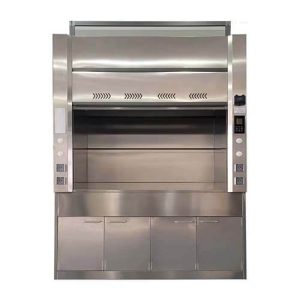
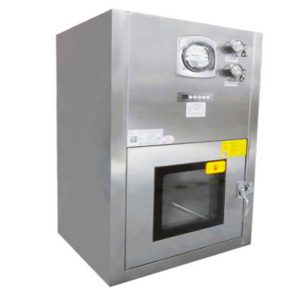
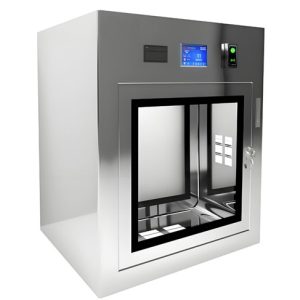
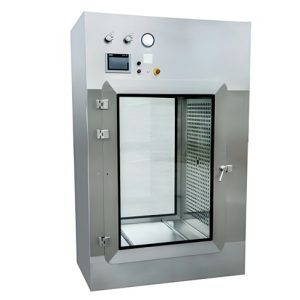
What Is a Ductless Chemical Fume Hood?
What Is a Ductless Chemical Fume Hood?
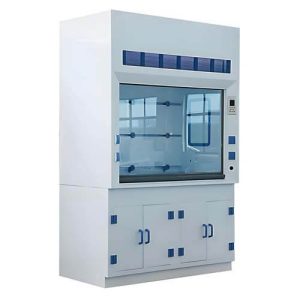
A ductless chemical fume hood operates differently than traditional containment strategies. Instead of exhausting conditioned air outside, it functions as a localized filtration unit—pulling hazardous vapors directly away from the operator’s breathing zone, scrubbing them through activated carbon or HEPA media, and returning purified air to the lab.
From an installation standpoint, the advantage is obvious. We often see facility managers choose a modern ductless chemical fume hood to bypass the logistical nightmare of adding roof exhaust stacks or rebalancing a building’s entire HVAC load. The energy savings are tangible—often reducing makeup air costs significantly since you aren’t pumping climate-controlled air outdoors.
However, relying on a ductless chemical fume hood requires a disciplined approach to chemical management. Unlike ducted systems that can handle almost anything, these units rely entirely on filter compatibility and saturation points. Safety here isn’t just about airflow; it’s about strictly matching your specific chemical handling list to the correct filter technology and adhering to a rigorous replacement schedule.
“Choosing a ductless fume hood isn’t about avoiding ductwork—it’s about embracing smarter, more adaptable lab safety technology with measurable ROI.”
Working Principle Diagram
Fig 1. Airflow path through filtration stages in a ductless chemical fume hood
How Does a Ductless Chemical Fume Hood Work?
The magic of a ductless chemical fume hood lies in its multi-stage filtration process. Unlike ducted hoods that simply exhaust pollutants outside, ductless systems must actually neutralize hazards. Think of it as a miniature, specialized air treatment plant sitting on your lab bench.
The Airflow & Filtration Process
Step-by-Step Filtration:
Contaminated Air Intake
Air is drawn in through the hood opening at a controlled face velocity (typically 0.4-0.6 m/s). This creates an “air curtain” that prevents fumes from escaping.
Pre-filtration
Large particulates, dust, and aerosols are captured by electrostatic or mechanical pre-filters. This extends the life of the main filters.
Molecular Filtration
Activated carbon filters (sometimes impregnated with chemicals) adsorb organic vapors, acid gases, and other molecular contaminants.
Particulate Filtration
HEPA or ULPA filters capture fine particulates (0.3μm+ at 99.97% efficiency) including bacteria, mold spores, and fine powders.
Clean Air Recirculation
Purified air is returned to the laboratory, maintaining temperature stability and eliminating energy waste.
Filtration Technology Breakdown
Pre-filters (Electrostatic)
Capture larger particles >10μm. Extend main filter life by 30-40%. Washable/reusable options available.
Activated Carbon Filters (Molecular)
High-surface-area carbon (500-1500 m²/g) adsorbs organic vapors. Impregnated carbons handle acids (sulfur-treated) or formaldehyde (permanganate-treated).
HEPA/ULPA Filters (Particulate)
HEPA: 99.97% efficiency at 0.3μm. ULPA: 99.999% at 0.12μm. Essential for pharmaceutical, electronics, and biosafety applications.
Calculation Example: A standard 4ft ductless chemical fume hood processes approximately 800-1000 CFM. With proper filter selection, it can remove >99% of target contaminants before recirculation. Filter life calculation: 5kg carbon filter with acetone use (50ml/day) ≈ 6-8 months service life.
Is a Ductless Chemical Fume Hood Safe?
Safety isn’t a yes/no question with ductless fume hoods. It’s a conditional “yes, if.” The ductless chemical fume hood represents a different safety philosophy—one that requires more user knowledge but offers greater flexibility. Let’s examine the boundaries.
The Three Pillars of Safety
1. Known Chemicals
You must know exactly what chemicals you’re working with. A ductless hood is filter-specific—different filters for different chemical families. Unknown mixtures or reaction byproducts are unacceptable risks.
2. Controlled Quantities
These hoods excel with small to moderate quantities. Rule of thumb: Less than 500ml of solvent per day per hood. High-volume operations (liters/hour) quickly saturate filters.
3. Rigorous Maintenance
Filter change schedules aren’t suggestions—they’re safety requirements. Deiiang™ hoods include dual monitoring (face velocity + gas sensors) with automatic alarms at 80% saturation.
When NOT to Use a Ductless Hood
Absolute Contraindications:
Radioactive Isotopes
Filters cannot trap radiation; dedicated containment required.
Perchloric Acid Digestion
Forms explosive perchlorate crystals; requires specialized wash-down hoods.
Unknown Reaction Products
Can’t select proper filters for unidentified substances.
Large-Scale Operations
>1L solvent/hour; filter saturation occurs too rapidly for safety.
Risk vs. Applicability Matrix
Safe Zone
Known chemicals, small quantities
Conditional Use
Known but aggressive chemicals
Not Recommended
Unknown mixtures, moderate quantities
Ducted Only
Radioactive, perchloric, large-scale
Applicable Chemicals & Compatibility
Understanding Chemical Compatibility
Filters in a ductless chemical fume hood are like specialized tools—each designed for specific tasks. General-purpose carbon works for most organics, but acid gases need impregnated carbon, and formaldehyde requires potassium permanganate-treated media. The key is matching the filter to your exact chemical profile.
Pro Tip: Always provide your supplier with a complete list of chemicals (including quantities and frequencies) and MSDS sheets. Deiiang™ offers free chemical compatibility assessments—this 30-minute consultation can prevent costly mistakes.
Common Chemical Categories
| Chemical Type | Examples | Suitability | Filter Requirement |
|---|---|---|---|
| Organic Solvents | Acetone, Ethanol, IPA, Toluene | ✅ Excellent | General Activated Carbon |
| Acid Gases | HCl, HNO₃, H₂SO₄ (diluted) | ✅ Good | Acid-Impregnated Carbon |
| Formaldehyde | Formalin, Paraformaldehyde | ⚠️ Conditional | KMnO₄-Treated Carbon |
| Fine Particulates | Powders, Dust, Bacteria | ✅ Excellent | HEPA Filter (Required) |
| Mercury Vapor | Elemental Mercury | ⚠️ Special Case | Sulfur-Impregnated Carbon |
Ductless vs. Ducted Fume Hoods
This isn’t a simple “which is better” question. It’s about matching technology to your specific needs. About 70% of new lab installations now consider ductless options first (2024 Lab Design Survey), but traditional ducted hoods still dominate certain applications.
Key Differences in Infrastructure
Ducted Fume Hood
- Requires roof penetration & structural work
- Needs dedicated exhaust fan system
- Requires make-up air HVAC compensation
- Permanent location (difficult to move)
- Installation time: 2-6 weeks
Ductless Chemical Fume Hood
- No ductwork or roof modifications
- Standard electrical connection only
- Recirculates air (no HVAC penalty)
- Portable – relocate as needed
- Installation time: 2-4 hours
Operational Cost & Energy Efficiency
Let’s talk numbers. The biggest cost difference isn’t the purchase price—it’s the operating expense over 5-10 years.
Energy Cost Comparison
Heating/cooling make-up air @ $0.12/kWh
Energy Cost Comparison
Fan power only, no HVAC penalty
5-Year Total Cost
vs. $8,200 for ductless (63% savings)
Calculation Example: A ducted hood exhausting 1000 CFM removes 1000 cubic feet of conditioned air every minute. In a climate-controlled lab (70°F), replacing that air with outside air (30°F in winter) requires ~4.5 kW of heating. At 2000 hours/year operation: 4.5 kW × 2000 h × $0.12/kWh = $1,080 just for winter heating. Add summer cooling costs for the complete picture.
Standards & Compliance
Compliance isn’t paperwork—it’s the engineering foundation of safety. A ductless chemical fume hood that doesn’t meet recognized standards is a liability, not an asset. Different regions have different requirements, but the principles are universal.
Key International Standards
AFNOR NFX 15-211
French standard for filtration efficiency testing (≥99% for target chemicals).
ANSI/ASSP Z9.5
American standard for lab ventilation requirements and safety practices.
ASHRAE 110
Containment performance testing using tracer gas (SF₆) methodology.
EN 14175
European standard for fume cupboard safety, construction, and testing.
Deiiang™ Compliance Note: All our ductless chemical fume hoods are third-party tested to meet or exceed applicable standards. We provide full documentation packages including test reports, certificates, and maintenance logs—critical for ISO 17025, GLP, and FDA-regulated environments.
Selection Guide: How to Choose the Right Model
Selecting a ductless chemical fume hood is a systematic process, not a guessing game. Follow this decision workflow to match the right technology to your specific application. Getting this wrong means either overspending or underspecifying—both are costly mistakes.
The Assessment Workflow
List Chemicals
Complete inventory with MSDS, quantities, frequencies
Calculate Load
ml/day, g/day, operation hours, peak concentrations
Check Space
Lab layout, electrical access, clearance requirements
Validate Life
Filter lifespan projection, change frequency, cost
Select Model
Size, features, monitoring, brand, budget alignment
Install & Train
Proper setup, user training, documentation
Critical Features to Check
Filter Breakthrough Alarm
Non-negotiable. Dual sensors (face velocity + gas detection) should trigger audible/visual alerts at 80% saturation. Deiiang™ models include wireless notification to lab managers.
Face Velocity Monitoring
Constant digital display (0.3-0.6 m/s optimal range). Auto-adjusting fan maintains proper containment even with filter loading.
Filter Clamping Mechanism
Positive-seal design prevents bypass leakage. Look for compression gaskets and quick-release handles for safe filter changes.
Quick Selection Formula
For preliminary sizing: Hood Width (ft) = (Number of users × 2.5) + Equipment clearance
Filter life estimation: Months = (Carbon weight kg × 0.3) ÷ (Daily solvent ml × Specific adsorption rate)
Example: 5kg carbon, 50ml acetone/day (adsorption rate 0.25) = (5 × 0.3) ÷ (50 × 0.25) = 1.5 ÷ 12.5 = 7.2 months
Conclusion
The ductless chemical fume hood has evolved from a niche alternative to a mainstream laboratory safety solution. When applied correctly—with proper chemical assessment, appropriate filter selection, and disciplined maintenance—it offers unparalleled flexibility, significant energy savings, and robust protection for researchers.
But remember: the “ductless” label doesn’t mean “universal.” These are specialized tools for specific applications. The safety boundaries we’ve outlined aren’t suggestions—they’re engineering requirements.
Ready to Evaluate Your Application?
Deiiang™ offers complimentary chemical compatibility assessments. Send us your chemical list and usage patterns, and our engineering team (led by product designer Jason.peng) will provide a customized recommendation within 48 hours.