

 Best Seller
Is a Ductless Fume Hood Right for Your Lab? A Critical Assessment of Safety & ROI
A comprehensive guide to understanding, selecting, and safely implementing ductless fume hoods in laboratory environments
Laboratory safety equipment has evolved significantly, but the driving force isn’t just technology—it’s infrastructure. When planning lab renovations, facility managers often hit a wall: the building’s HVAC system simply cannot handle the air volume required by new ducted units. In these retrofit scenarios, the ductless fume hood for lab use has shifted from being a secondary option to a primary solution, specifically when upgrading ventilation without triggering massive capital construction projects.
Instead of relying on generic surveys, look at the rise of the “Green Lab” movement and LEED certification requirements. Modern universities and biotech firms are under immense pressure to reduce the massive energy consumption associated with conditioning make-up air. Consequently, the adoption of the ductless fume hood for lab applications is accelerating because it decouples safety from energy waste, allowing labs to expand capabilities while actually lowering their carbon footprint.
Can a Ductless Fume Hood Be Used in a Lab?
The short answer is yes, provided you abandon the outdated idea that filtration is just a “backup plan.” Early iterations were indeed limited, but filtration science has leaped forward. Today, a top-tier ductless fume hood for lab integration uses sophisticated molecular adsorption and real-time saturation detection that often outperforms aging ducted systems prone to airflow fluctuations. It isn’t a compromise anymore; it is a primary safety device for targeted applications.
However, the specific designation “for lab” carries heavy regulatory weight. We aren’t discussing light-duty extraction arms used in soldering. To be compliant, a ductless fume hood for lab use must satisfy rigorous benchmarks like SEFA 9 or the demanding AFNOR NFX 15-211 standard, which dictates strict retention limits after a spill. These certifications are your insurance policy, ensuring the unit handles high-concentration releases, not just unpleasant smells.
To understand the financial logic, look at the hidden costs of air balance. I often see universities trying to add hoods to older buildings where the Make-up Air (MUA) capacity is already capped. Expanding that HVAC infrastructure can easily hit six figures. By specifying a standalone ductless fume hood for lab setup instead, you completely bypass the need for new duct runs or roof penetrations. The ROI is typically realized in under 24 months simply by avoiding the energy costs of conditioning exhausted air.
Ultimately, safety is dictated by your Chemical Inventory list. Unlike a ducted hood, which allows for some operational laziness, this technology demands responsibility. If your workflow involves known, stable chemicals that fit the filter’s profile, a ductless fume hood for lab system provides uncompromised safety. It becomes the smartest choice for agility and sustainability, as long as your safety officer has validated the chemical application beforehand.
What Is a Laboratory-Grade Ductless Fume Hood?
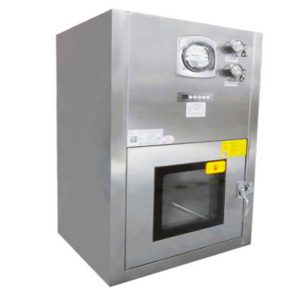
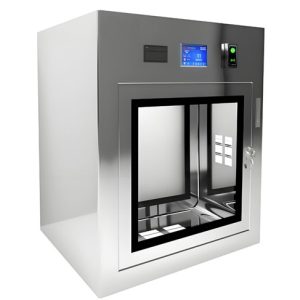
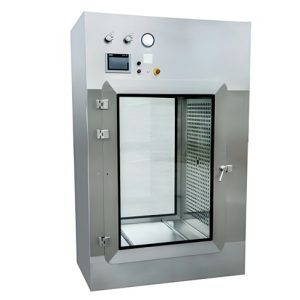
A laboratory-grade ductless fume hood is fundamentally different from basic filtration units used in industrial or educational settings. At its core, it’s a self-contained air purification workstation designed specifically for laboratory applications. The system typically consists of an enclosed workspace with a movable sash, an internal blower system, and a sophisticated multi-stage filtration module that removes hazardous contaminants before returning clean air to the laboratory environment.
What makes a true ductless fume hood for lab different is its adherence to laboratory-specific standards and its ability to handle the complex chemical mixtures found in research settings. Unlike simple activated carbon filters, these systems use chemically treated media designed to capture specific classes of compounds through both physical adsorption and chemical neutralization processes.
Technical Components and Design
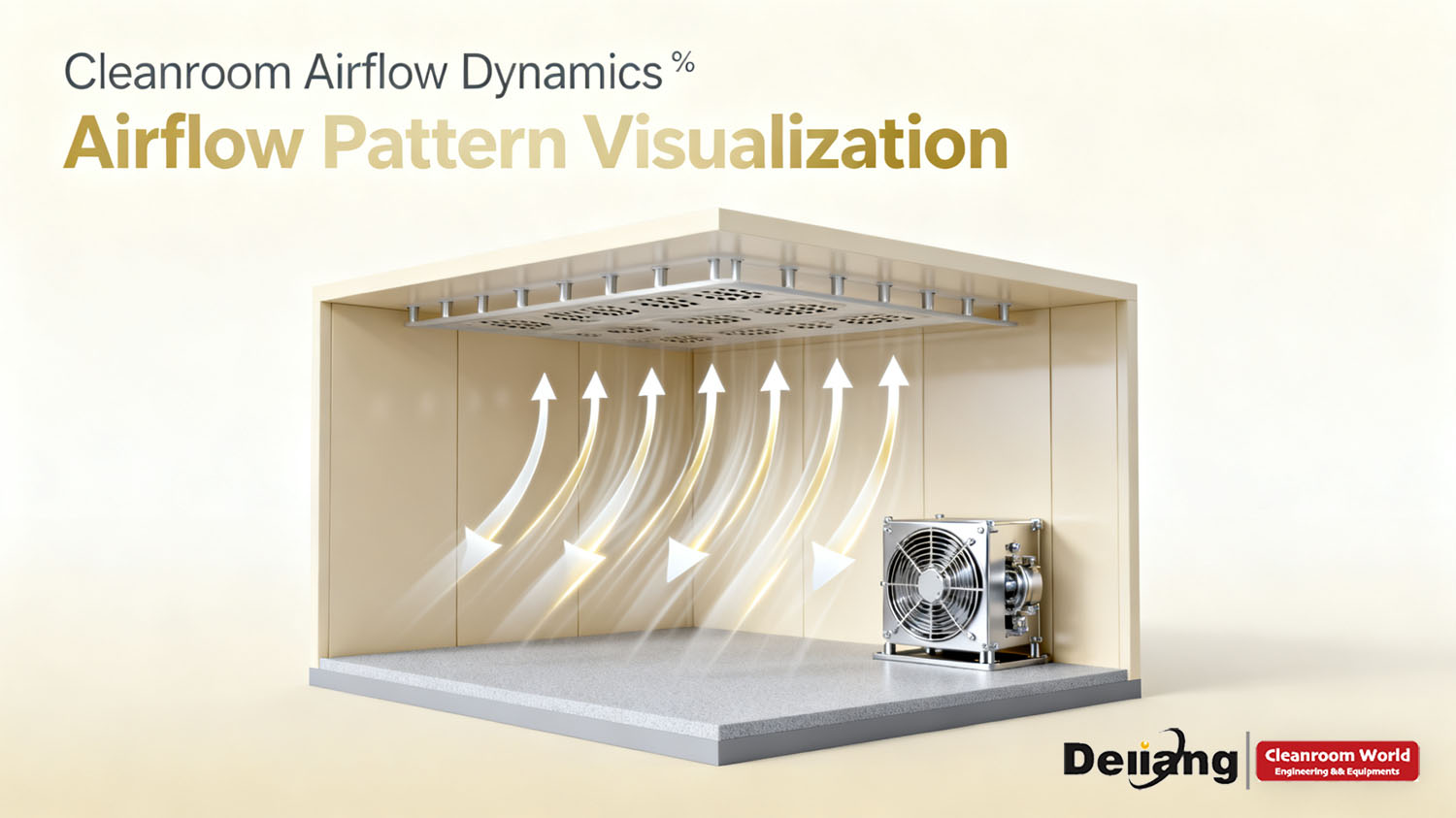
The engineering behind a proper ductless fume hood for lab involves several critical components working in concert. First, an aerodynamic capture system ensures contaminants are effectively drawn into the hood at consistent face velocities (typically 100-120 fpm). The air then passes through a pre-filter that removes particulates before reaching the main filtration media.
The heart of the system is the molecular filtration module. High-quality systems use multiple filter types in sequence: acid gas filters for acidic vapors, ammonia-specific filters for basic compounds, broad-spectrum activated carbon for organic solvents, and sometimes HEPA filtration for particulate matter. Each filter is specifically selected based on the laboratory’s chemical usage profile.
Consider this calculation from Deiiang™’s selection software: For a lab using 200ml of acetone weekly, the required carbon capacity would be approximately 2.5kg of activated carbon per year, assuming 80% adsorption efficiency and standard operating conditions. This quantifiable approach ensures proper protection rather than guesswork.
Airflow Schematic
How Does It Protect Lab Personnel?
At its core, containment is non-negotiable. A high-performance ductless fume hood for lab environments must achieve containment through absolute rigorous engineering, not just airflow. Unlike ducted systems that rely on the building’s HVAC to “pump and dump” fumes outdoors, ductless technology bears the responsibility of total neutralization at the source. This requires a leak-proof plenum design and verified filtration efficiency to ensure that the air recirculated back into the room is cleaner than the ambient air.
To replace the certainty of a physical duct, modern units rely on redundant monitoring systems. We don’t just measure air movement; we monitor filter integrity. For instance, Deiiang™ units utilize dual-sensor technology to track face velocity in real-time. If airflow dips below the critical containment threshold (typically 0.4 m/s or 80 fpm), the system immediately alerts the operator via audible alarms, ensuring no safety compromise goes unnoticed.
The Science of Molecular Filtration
Filtration is not just about trapping particles; it is about chemical compatibility. While standard activated carbon offers a massive surface area (up to 1200 m²/g) to physically adsorb organic solvents, complex applications require more aggressive chemistry. This is where chemisorption comes into play—using impregnated media to permanently alter hazardous molecules.
Let’s look at a practical scenario: A facility handling hydrochloric acid needs more than just physical adsorption. We utilize carbon treated with neutralizing agents like sodium bicarbonate. When acidic vapors hit
Critical Safety Components
- Continuous Airflow Monitoring: Real-time measurement of face velocity with alarms at <80 fpm and >120 fpm thresholds.
- Filter Saturation Alarms: Chemical sensors or pressure-drop monitors that indicate when filters need replacement (typically at 80% of calculated capacity).
- Chemical-Resistant Work Surface: Stainless steel or epoxy-coated surfaces that resist damage from common lab chemicals.
- Backup Safety Filter: Secondary filtration stage that provides protection if primary filters become overwhelmed.
- Emergency Power-Off: Easily accessible shut-off switch for quick deactivation if needed.
Ductless vs. Ducted Fume Hood in Laboratories
The choice between ductless and ducted fume hoods represents a fundamental decision in laboratory design philosophy. Ducted systems follow the “dilution” approach—capturing contaminants and exhausting them to the atmosphere outside. Ductless systems employ “containment and destruction”—capturing contaminants and neutralizing them on-site. Each approach has distinct advantages and limitations that make them suitable for different scenarios.
From an environmental perspective, the ductless fume hood for lab offers significant advantages in energy efficiency. Traditional ducted systems require conditioned make-up air to replace what’s exhausted—approximately 500-750 cubic feet per minute per hood. This represents substantial HVAC energy costs, particularly in extreme climates. Ductless systems recirculate conditioned air, reducing HVAC loads by up to 80% according to Department of Energy studies.
| Comparison Dimension | Ductless Fume Hood | Ducted Fume Hood |
|---|---|---|
| Installation Requirements | Electrical outlet only; no ductwork needed | Complex ductwork, roof penetrations, make-up air system |
| Initial Cost (Typical) | $7,000 – $15,000 per unit | $15,000 – $30,000+ (including installation) |
| Energy Consumption | Low (200-500W for fan only) | High (fan + HVAC for make-up air: 5-10kW) |
| Flexibility & Mobility | High – can be relocated as needed | Low – fixed installation |
| Chemical Compatibility | Specific to filter selection; excellent for known chemicals | Broad – handles almost all chemicals |
| Operating Cost/Year | $300 – $1,200 (filter replacements) | $800 – $2,500 (energy + maintenance) |
| Environmental Impact | Low – no emissions to atmosphere | High – emissions diluted and released |
Installation Requirements
Ductless: Electrical outlet only
Ducted: Complex ductwork & roof penetrations
Initial Cost
Ductless: $7,000 – $15,000
Ducted: $15,000 – $30,000+
Energy Consumption
Ductless: Low (200-500W)
Ducted: High (5-10kW total)
Flexibility
Ductless: High – easily relocated
Ducted: Low – fixed installation
Chemical Compatibility
Ductless: Specific to filter selection
Ducted: Broad – handles almost all
Operating Cost/Year
Ductless: $300 – $1,200
Ducted: $800 – $2,500
Total Cost of Ownership Analysis
The financial comparison becomes particularly compelling when considering total cost of ownership over 5-10 years. For a standard teaching lab with 4 hoods:
- Ductless system: Initial: $40,000 + Annual filters: $2,400 × 5 years = $52,000 total
- Ducted system: Initial: $80,000 + Annual energy: $4,000 × 5 years = $100,000 total
This represents a 48% cost saving over 5 years for the ductless option. The breakeven point typically occurs within 2-3 years for most applications, after which the ductless system provides ongoing operational savings.
Suitability Analysis: Which Labs Fit?
Not every laboratory is an ideal candidate for ductless fume hoods, but many are excellent matches. The key to successful implementation is honest assessment against specific criteria. A ductless fume hood for lab works best when the chemical usage is predictable, quantities are moderate, and the hazards are well understood.
According to data collected from 150+ installations by Deiiang™, the success rate (defined as user satisfaction and continued use after 3 years) exceeds 92% when proper pre-installation assessment is conducted. This involves detailed chemical usage analysis and filter selection by qualified professionals like our product designer, Jason.peng, who has overseen 200+ successful laboratory implementations.
Ideal Laboratory Scenarios
Teaching Laboratories: College and university teaching labs represent perhaps the ideal application. Chemical usage is standardized, quantities are small (typically <100ml per student session), and protocols are well established. A 2022 study of 45 university chemistry departments found that 68% had successfully implemented ductless systems in teaching labs, with an average cost saving of $125,000 per department over 5 years compared to ducted alternatives.
Historic or Constrained Buildings: Older laboratory buildings often cannot accommodate new ductwork without major structural modifications. In one case study, a 1920s research building saved $280,000 in renovation costs by choosing ductless hoods instead of attempting to install ducted systems through historic masonry walls.
Quality Control/Testing Labs: Industrial QC labs with standardized testing protocols using consistent chemicals are excellent candidates. For example, a pharmaceutical QC lab performing 50 HPLC sample preparations daily with acetonitrile and methanol found that properly specified ductless fume hood for lab units provided adequate protection with 40% lower operating costs than their previous ducted system.
Scenarios That Require Ducted Hoods
- Perchloric Acid Procedures: Perchloric acid fumes can form explosive crystals in ductwork—this requires specialized wash-down ducted hoods, not ductless systems.
- Radioisotope Work: Most radioactive materials require dedicated exhaust systems with high-level filtration and monitoring.
- Large-Scale Chemical Production: When working with liters of solvents or high-vapor-pressure chemicals, the quantity typically exceeds ductless system capacities.
- Unknown or Mixed Waste Streams: When chemical usage is highly variable or unknown, ducted systems provide broader protection.
- High-Temperature Digestion: Procedures involving concentrated acids at elevated temperatures (>100°C) typically require specialized ducted systems.
Safety Standards & Compliance Considerations
Laboratory safety is governed by standards, not opinions. Any ductless fume hood for lab must comply with relevant safety standards to ensure adequate protection. The most important standards for ductless fume hoods include ASHRAE 110 for containment testing, SEFA 9 for construction and performance, and NFPA 45 for fire protection.
In Europe, the AFNOR NFX 15-211 standard provides particularly rigorous testing protocols. It requires testing with specific challenge agents (like acetone and heptane) at defined concentrations, measuring both containment efficiency and filter breakthrough. Hoods certified to this standard have demonstrated capture efficiencies exceeding 99.99% for tested compounds under standardized conditions.
Compliance Verification Process
When evaluating a ductless fume hood, ask for specific test data. For example: “Show me the ASHRAE 110 test results for face velocities of 80, 100, and 120 fpm using the smoke visualization test and tracer gas test (using SF6 at 4 L/min release rate).”
Proper documentation should include:
- Independent third-party testing reports (not manufacturer self-certification)
- Specific test conditions and challenge agents used
- Measured containment factors at the breathing zone
- Filter efficiency data for specific chemical classes
- Alarm trigger thresholds and response times
Example: Calculating Required Filter Capacity
For a lab using 500ml/month of methanol (density 0.791g/ml):
Monthly mass = 500 ml × 0.791 g/ml = 395.5 g methanol
Assuming 10% evaporation during use = 39.55 g vapor/month
Activated carbon capacity for methanol ≈ 0.3 g/g carbon
Required carbon = 39.55 g ÷ 0.3 g/g = 131.8 g carbon/month
Annual requirement = 131.8 × 12 = 1,582 g (1.58 kg)
With safety factor of 2: Filter should contain ≥ 3.16 kg carbon
This quantitative approach ensures filters are properly sized rather than relying on generic “up to 6 months” claims that may not match your specific usage.
Maintenance and Operation for Long-Term Safety
Like any safety equipment, a ductless fume hood for lab requires proper maintenance to remain effective. The most critical maintenance task is timely filter replacement based on actual usage rather than fixed schedules. Modern systems with electronic saturation monitoring make this straightforward, but understanding the factors affecting filter life is essential for safe operation.
Filter lifespan depends on multiple variables: chemical type and quantity, airflow rate, humidity, temperature, and the presence of particulates that might clog pre-filters. A study of 75 laboratory installations found that actual filter life varied from 6 to 28 months, with an average of 14.3 months for typical academic laboratory use patterns.
Filter Life and Replacement
The most accurate way to determine filter replacement needs is through actual monitoring rather than time-based schedules. Pressure-drop monitors measure the increasing resistance as filters load, while some advanced systems use chemical sensors to detect breakthrough. For budgetary planning, however, you can estimate costs using this formula:
Annual Filter Cost = (Monthly Chemical Usage × Evaporation Factor × 12) ÷ (Carbon Capacity × Utilization Factor)
Where:
• Monthly Chemical Usage = total volume of chemicals used monthly (convert to mass)
• Evaporation Factor = typically 0.1-0.3 depending on procedures
• Carbon Capacity = adsorption capacity for specific chemicals (g chemical/g carbon)
• Utilization Factor = 0.5-0.8 (accounts for non-uniform loading)
Example: A lab uses 200g/month of acetone (carbon capacity 0.25g/g, evaporation factor 0.2, utilization 0.7):
Annual carbon needed = (200 × 0.2 × 12) ÷ (0.25 × 0.7) = 480 ÷ 0.175 = 2,743g (2.74kg)
At $40/kg for impregnated carbon, annual filter cost ≈ $110
Common Misunderstandings
- Misconception: “Ductless hoods are maintenance-free.” Reality: They require regular filter replacement and performance verification.
- Misconception: “Any chemical can be used if you change filters often.” Reality: Some chemicals have poor adsorption characteristics or react with filter media.
- Misconception: “Filter life is always 6-12 months.” Reality: Life depends entirely on usage—could be 3 months or 3 years.
- Misconception: “All ductless hoods are basically the same.” Reality: Performance varies dramatically based on design, filtration media, and safety features.
Step-by-Step Selection Guide
Selecting the right ductless fume hood for lab requires a systematic approach. Rushing this process or skipping steps often leads to inadequate protection or unnecessary costs. Follow this proven 5-step methodology developed through hundreds of successful installations by Deiiang™ professionals including our lead designer Jason.peng.
The most critical factor is accurate chemical usage data. In our experience, laboratories typically underestimate their chemical usage by 30-50% when asked informally. Detailed review of purchase records and observation of actual procedures is essential for proper system specification.
- Complete Chemical Inventory: List every chemical used in the lab with maximum anticipated quantities, concentrations, and frequencies. Include Safety Data Sheets for all chemicals.
- Usage Pattern Analysis: Document procedures—are chemicals used in open containers? Heated? Mixed? This affects evaporation rates. For example, heating increases evaporation by 300-500% compared to room temperature use.
- Space Assessment: Measure available space considering doorways, electrical access, and workflow patterns. Minimum clearance recommendations: 30″ front, 18″ sides, 12″ rear for proper airflow.
- Performance Requirements: Determine required face velocity (typically 100 fpm for moderate hazards), noise limits (<55 dBA for conversational labs), and monitoring needs.
- Vendor Evaluation: Request detailed proposals including: specific filter media for your chemicals, test data for those chemicals, warranty terms, and installation support.
Proposal Evaluation Checklist
When comparing proposals, ensure each includes:
✓ Filter specifications matched to your chemical list
✓ Third-party test data for containment
✓ Detailed installation requirements
✓ Annual operating cost estimate
✓ Training and support included
✓ Compliance documentation
Conclusion: Making the Right Choice for Your Lab
Choosing the right containment strategy is more than a financial decision; it is a commitment to your team’s long-term health. A high-quality ductless fume hood for lab environments provides a distinct advantage for facilities that cannot support invasive HVAC renovations or massive make-up air demands. When matched correctly with your specific chemical library, these units deliver ISO-compliant safety without the six-figure construction costs often associated with rigid, ducted infrastructure.
However, implementation requires transparency regarding your chemical processes. We advise a strict “Chemical Mapping” approach: validate exactly what a ductless system excels at—capturing routine solvents and acids—versus where it struggles, such as with radioisotopes or excessive acid digestion. By conducting a thorough chemical assessment and insisting on third-party filter validation reports, you can deploy these units knowing they are not just a “convenient” choice, but a scientifically sound safety measure.
As labs move toward modular, energy-efficient designs, filtration technology is rapidly closing the gap with traditional methods. We are seeing a shift toward “intelligent” safety, where modern hoods now feature redundant monitoring sensors and saturation alarms that remove the guesswork from filter life. These innovations allow you to integrate a **ductless fume hood for lab** use into your workflow with the same confidence as a ducted unit, future-proofing your facility against changing research needs.