

 Best Seller
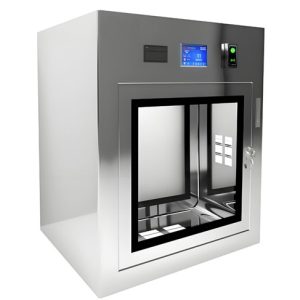
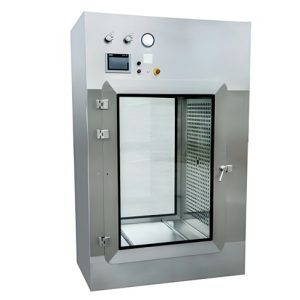
What Is a Ductless Fume Cabinet?
What Is a Ductless Fume Cabinet?
To put it simply, a ductless fume cabinet is an independent filtration workstation that protects operators from hazardous vapors and particulates without needing complex building infrastructure. Rather than venting air out through the roof, the unit captures contaminated air at the source, forces it through a specific set of carbon or HEPA filters, and safely returns clean air to the laboratory. We often call this a “recirculating” system because it operates entirely within the room.
The core distinction between this and a traditional ducted hood isn’t just about pipes—it’s about how we handle the hazard. A ducted hood relies on ventilation to physically pump fumes out of the building. In contrast, a ductless fume cabinet relies on filtration to trap and hold chemicals inside the filter matrix. This is a critical engineering difference: because you aren’t exhausting conditioned air, you gain flexibility and energy savings, but it also means the safety of the system depends entirely on matching the right filter to your specific chemical process.
Structural Diagram
A cross-section showing the internal components of a standard ductless cabinet. The air path is key: contaminated air enters at the sash opening, is drawn through filters by an internal fan, and is returned to the lab as clean air.
Air Intake
Figure 1: Internal schematic of a ductless fume cabinet. The recirculating design eliminates the need for external ductwork.
How a Ductless Fume Cabinet Works
The operation of a ductless fume cabinet relies on a precise, negative-pressure airflow loop driven by a high-efficiency centrifugal fan. It starts at the sash opening, where we maintain a face velocity of 0.4–0.6 m/s (aligned with EN 14175 standards). This inward draft acts as an invisible containment shield, ensuring that no vapors drift back towards the operator’s breathing zone.
Once the contaminated air is drawn into the unit, it passes through a critical filtration sequence. Before reaching the main chemical bed, the air hits a pre-filter—usually an electrostatic or pleated media. From a maintenance perspective, this stage is vital: it physically traps dust and aerosols that would otherwise clog the micropores of your main carbon filter. For example, in histology applications, our data shows that a quality pre-filter captures the majority of gross particulates, significantly extending the lifespan and efficiency of the main filtration system inside the ductless fume cabinet.
Core Workflow:
- 1. Contaminated air intake (Negative pressure): Air is drawn in through the sash opening, creating a containment barrier.
- 2. Pre-filtration (Dust & Particulates): Removes solids and liquids, safeguarding the main filter.
- 3. Main filtration (Chemical adsorption): Activated carbon or specialized media trap gaseous molecules.
- 4. Clean air recirculation: Purified air is returned to the laboratory environment.
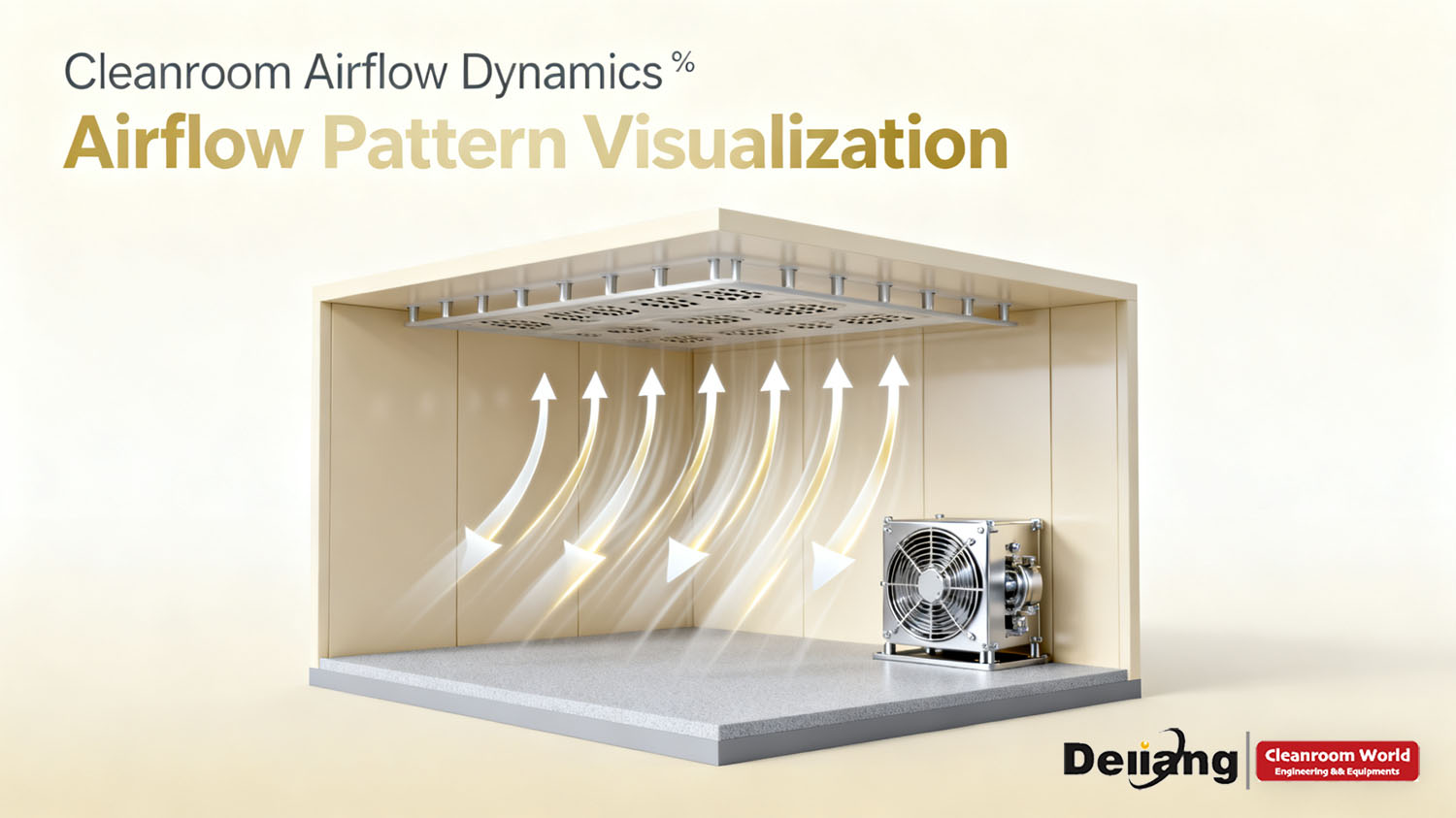
Figure 2: Airflow Dynamics. Visualization of face velocity vectors at the sash opening, crucial for maintaining containment.
Filter Technology Explained
The filtration system is the engine of a ductless fume cabinet, relying primarily on activated carbon technology. Technically, this works through physical adsorption, not chemical neutralization. Gas molecules are trapped within the carbon’s microscopic pore network—which can exceed 1000 m² of surface area per gram—held in place by Van der Waals forces. It is important to understand that the chemicals are merely contained, not destroyed, which dictates how we handle used filters as hazardous waste.
We must also draw a hard line between protection types. A HEPA filter captures particulates (99.97% efficiency at 0.3 microns) and is essential for powders or biological aerosols, but it offers zero protection against solvent vapors. A compliant ductless fume cabinet typically employs a stacked configuration: a pre-filter or HEPA for physical matter, followed by specific carbon media for gas phase adsorption. Mixing these roles up is a common safety error; they are distinct technologies for distinct hazards.
The limiting factor of this technology is filter saturation. Since carbon pores have a finite capacity, once they are full, the filter doesn’t just stop working—it can potentially release (desorb) captured chemicals back into the airflow if environmental conditions change. This “silent breach” is why we emphasize strict monitoring over guesswork. Saturation timelines vary wildly based on usage; for instance, while a standard Deiiang™ filter might last 6–8 months with daily acetone usage, humidity levels and evaporation rates can shift that timeline significantly, making sensor-based monitoring mandatory.
Molecular Adsorption Mechanism
Figure 3: Simplified filter layer diagram with microscopic view of carbon pores adsorbing contaminant molecules (red/orange dots).
Key Advantages of Ductless Cabinets
In the right application, choosing a ductless fume cabinet isn’t just a compromise; it’s a strategic decision with tangible benefits. The primary drivers are often cost and flexibility, especially in retrofit projects or temporary labs. Let’s break down the numbers.
Installing a traditional ducted fume hood can cost between $15,000 to $30,000 or more when you factor in construction, ductwork, roof penetrations, and makeup air systems. A comparable ductless fume cabinet might have a higher upfront equipment cost but typically results in a total installed cost saving of 40-60% because it’s essentially plug-and-play. Furthermore, the energy savings are significant. A ducted hood exhausts conditioned (heated or cooled) air 24/7, which must be replaced by new air that also needs conditioning. A single ducted hood can add over $2,500 annually to a lab’s energy bill (data from Lawrence Berkeley National Laboratory). A ductless model recirculates the same air, eliminating this waste.
1. Eliminates Expensive Ductwork
No construction, no roof work. Just position it, plug it in, and validate.
2. Lower HVAC Energy Load
Can reduce associated HVAC energy consumption by up to 90% compared to ducted hoods.
3. Mobile & Flexible
Relocate it as lab layouts change. Ideal for teaching labs or pilot projects.
4. Environmentally Friendly
Zero exterior emissions (though spent filters become hazardous waste).
Critical Limitations & Risks
We need to be absolutely clear about the limitations: a ductless fume cabinet is a specialized tool, not a catch-all replacement for ducted infrastructure. From a safety engineering perspective, these units are strictly off-limits for processes involving unknown reaction byproducts, extreme volumes of volatiles (like bulk ether distillations), radioisotopes, or perchloric acid digestion. In those high-risk scenarios, physical removal via a ducted system is the only acceptable safety standard.
The operational reality is that the safety of a ductless fume cabinet relies heavily on site management. Unlike a ducted hood where a broken fan is immediately audible, filter saturation is a “silent” risk—the air keeps moving, but the protection stops. This puts the burden on your facility’s protocols. If your team cannot guarantee a rigorous schedule for filter checks and replacement, this technology may not be the right fit for your workflow.
This creates what we call the “false security” risk. A saturated carbon filter looks exactly like a fresh one. Relying on a simple calendar for replacement is often dangerous because evaporation rates and humidity fluctuate. Professional setups mitigate this by using real-time saturation detection technologies. For example, Deiiang™ systems integrate advanced sensing arrays—such as weight-based monitoring—to detect the physical mass of adsorbed chemicals, triggering an alert while a safety margin (typically 20%) still remains, effectively removing the guesswork from safety compliance.
Saturation Risk Path Analysis
Figure 4: Theoretical relationship showing declining filter efficiency and rising user risk over time. Proactive replacement before the curves cross is critical.
Ductless vs. Ducted Fume Cabinets
The choice between these two systems boils down to a fundamental difference in design philosophy. A ducted fume hood is an exercise in absolute risk removal. It captures contaminants and physically ejects them from the building, diluting them in the vast atmosphere. A ductless fume cabinet, in contrast, is an exercise in localized risk management. It contains, adsorbs, and neutralizes threats within a finite, replaceable filter. One is a permanent part of the building’s safety infrastructure; the other is a self-contained appliance.
| Feature | Ductless Fume Cabinet | Ducted Fume Hood |
|---|---|---|
| Exhaust Method | Recirculated into room | Vented outdoors |
| Installation Cost | Low (Plug & Play) | High (Requires construction) |
| Energy Impact | Low (Retains conditioned air) | High (Exhausts conditioned air) |
| Chemical Scope | Limited (Known chemicals) | Broad (Universal application) |
| Safety Reliance | Dependent on filter management | Dependent on mechanical airflow |
Figure 5: System Comparison. Conceptual layout showing a standalone ductless cabinet (left) vs. a ducted hood connected to rooftop exhaust (right).
Chemical Compatibility & Assessment
Treating a ductless fume cabinet as an off-the-shelf purchase is a common mistake that leads to safety failures. The validation process must start with a detailed chemical assessment. Before we even discuss models, we require a comprehensive “Chemical Loading List”—detailing the specific agents, concentrations, temperatures, and evaporation rates involved. This isn’t just paperwork; it is the data set manufacturers like Deiiang™ use to mathematically model filter life and certify the unit for your specific application.
Handling mixtures adds a layer of difficulty that requires expert review. Standard carbon filters don’t treat all chemicals equally. For instance, while a general-purpose filter handles solvents well, it offers zero protection against acid gases or ammonia without specific impregnation. We also have to watch out for “competitive adsorption”—where a chemical with a stronger affinity for carbon knocks a weaker one off the pore sites, causing it to re-enter the airstream. This displacement risk is why we validate against your entire mixture, not just individual components.
Finally, we have to look at volume versus economy. There is a practical tipping point: utilizing a ductless fume cabinet for occasional tasks (like pipetting small volumes of xylene) makes perfect sense and offers long filter life. However, if your workflow involves liters of evaporation daily, you will burn through filters so fast that the operating costs become unsustainable. In those high-volume cases, despite the installation hassle, a ducted system is often the only responsible engineering choice.
Chemical Assessment Workflow
A rigorous assessment process is mandatory before placing any ductless cabinet into service.
Standards, Guidelines & Compliance
Navigating the regulatory landscape is key. No single global standard governs ductless fume cabinet design, but several important ones provide frameworks. In the US, ASHRAE 110 is the benchmark for containment testing (using a tracer gas), and it applies to both ducted and ducted hoods. However, for filtration performance, the French AFNOR NF X 15-211 standard is widely recognized as the most rigorous. It tests the cabinet’s ability to retain protection even as the main filter saturates.
OSHA and various EN standards often use non-mandatory language like “may be used” for ductless cabinets. This places the burden of proof on the user to demonstrate that the selected cabinet provides adequate protection for the specific chemicals used. This is why documentation from your chemical assessment is a vital part of your compliance file.
The AFNOR standard introduces a critical safety concept: classes. A Class 1 cabinet has a single main filter. A Class 2 cabinet includes a backup or “safety” filter. This safety filter provides a crucial buffer. If the main filter fails or is saturated, the safety filter protects the user during the (hopefully brief) period until the main filter is replaced. Deiiang™ recommends, and often designs to, Class 2 principles for an added layer of security, even if not formally certified.
AFNOR Compliance Concept
Figure 6: Class 2 design philosophy per AFNOR NF X 15-211. The safety filter ensures operator protection during the critical filter replacement interval.
When a Ductless Fume Cabinet Makes Sense
So, after all these caveats and technical details, when is a ductless fume cabinet the right call? It’s when your application fits neatly within a defined set of conditions where the benefits outweigh the managed risks. It’s a tool for known, moderate hazards in controlled environments.
Think of teaching laboratories where students use small amounts of common solvents like ethanol or isopropanol. Or a quality control lab in a factory that tests samples with fixed, known reagents. Perhaps it’s a histology lab using formalin for tissue fixation, where a specialized formaldehyde filter can be employed. In these cases, the mobility, energy savings, and lower installation cost of a ductless cabinet provide clear advantages.
Applicability Checklist:
- ✓ Process involves known chemical types only. No surprises, no R&D with unknown mixtures.
- ✓ Chemical volume and volatility are low to moderate. Think milliliters, not liters, of solvent per day.
- ✓ Process is intermittent or short-duration. Not running 8-hour continuous reflux reactions.
- ✓ Strict filter management protocol is in place. You have a plan for monitoring and replacement, with assigned responsibility.
- ✓ The laboratory has adequate general ventilation. The room itself isn’t a sealed box.
If you can check all these boxes, a ductless cabinet could be a smart, sustainable choice for your lab.
Common Misconceptions
Does filtration make it “Green”?
It’s a common selling point, and while the energy savings are real and substantial, the full lifecycle must be considered. A ductless fume cabinet doesn’t make chemicals disappear. It concentrates them into a filter. That spent filter is now a hazardous waste item that must be disposed of according to local regulations, often as incinerable or special chemical waste. The “green” benefit is in reduced building energy carbon footprint, not in the elimination of waste.
Are sensors enough for safety?
No. While electronic sensors (for specific chemicals or pressure drop) are excellent tools for providing early warnings, they are not infallible. They have detection limits, can drift, and may not respond to all chemicals in a mixture. They are a crucial component of a multi-layered safety approach, which must also include regular visual inspections, adherence to change schedules based on usage logs, and periodic performance testing (e.g., with a handheld detector). Never rely on a single point of failure for safety.
Can I convert it to ducted later?
Almost never. The internal architecture is fundamentally different. A ductless cabinet is built around a recirculating airflow path with a filter as the end point. A ducted hood is designed with an open plenum that connects directly to an exhaust duct. Attempting to modify one into the other would compromise containment and void any certifications. You must decide on the operational philosophy at the point of purchase.
Conclusion
A ductless fume cabinet is not a lesser alternative to a ducted hood; it’s a different tool for a different job. It represents a conditional, high-efficiency solution for specific, well-characterized laboratory hazards. When applied correctly within its boundaries—with a rigorous upfront chemical assessment and an unwavering commitment to filter management—it provides excellent protection while offering significant flexibility and operational cost savings.